Children’s Woodwork Projects That Make Learning Feel Like Play (Ages 4–8)
Introduction
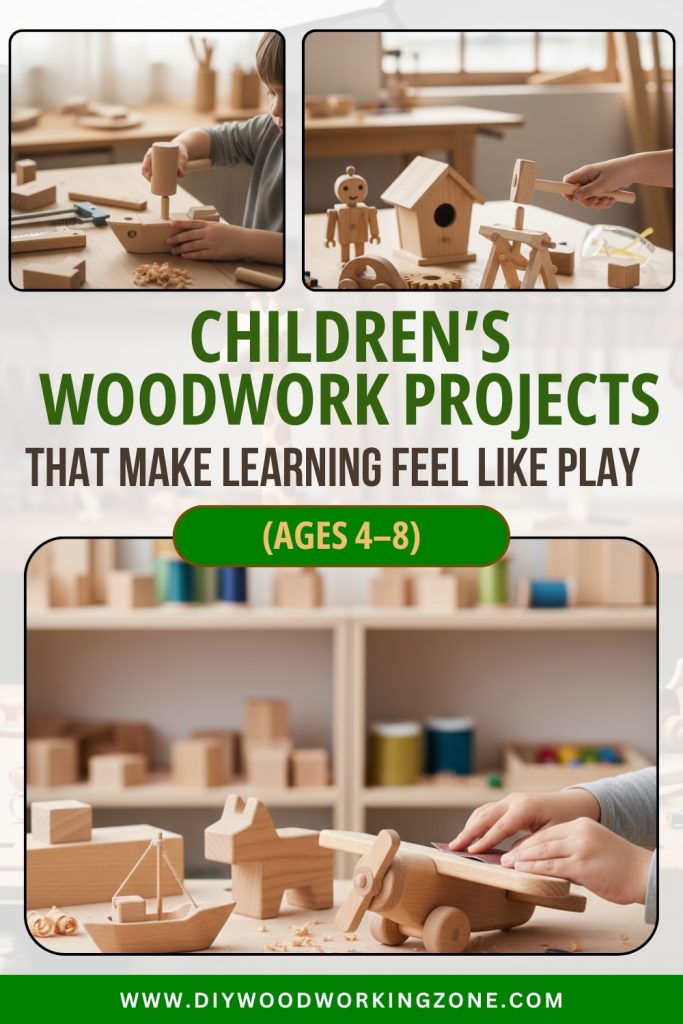
I’ve always believed that children’s woodwork projects are one of the most joyful ways to help kids learn without them even realizing it. When children between ages four and eight get to build something with their hands, learning suddenly feels like playtime instead of a lesson. I’ve seen shy kids light up with pride and energetic kids focus longer than expected. In this article, I’m sharing why woodworking works so beautifully for young learners and how you can guide children safely while keeping everything fun, relaxed, and playful.
Why Children’s Woodwork Projects Are Perfect for Ages 4–8
Children’s woodwork projects are a perfect match for ages four to eight because kids at this stage are naturally curious and eager to explore. They love touching, building, and asking “what happens if…?” Woodworking meets them right where they are. It encourages exploration while gently teaching patience and follow-through. I like to think of it as structured freedom—kids feel independent, but adults quietly guide the process. That balance helps children learn skills while still feeling safe and supported.
How Children’s Woodwork Projects Turns Learning Into Play
Woodworking doesn’t feel like learning to kids because it doesn’t look like traditional learning. There are no worksheets or tests, just wood, tools, and imagination. Children’s projects can turn concepts like measuring, counting, and planning into something physical and exciting. When kids build, they learn naturally—just like learning to ride a bike by riding it. That playful approach keeps curiosity alive and reduces frustration, which is exactly what young learners need.
Hands-On Learning Through Building
Hands-on learning is where children truly thrive, and children’s woodwork projects deliver that beautifully. When kids measure a board or hammer a nail, they’re learning math, coordination, and cause-and-effect all at once. I’ve noticed kids remember lessons better when they build something tangible. It’s like learning sticks better when it has weight and texture. Building gives abstract ideas a physical form, making learning feel real and exciting.
Confidence and Independence Through Small Wins
Few things build confidence like finishing a project, even a tiny one. Children’s woodwork projects are full of small wins—placing a screw correctly, sanding a corner smooth, or standing back to admire their work. Those moments matter. They teach kids that effort leads to results. I’ve seen children who struggle in other activities beam with pride after completing a simple build. Confidence grows board by board, and that confidence carries far beyond the workshop.
Safety First: Preparing for Children’s Woodwork Projects
Safety is the foundation of all children’s woodwork projects, especially for young kids. Before we even touch tools, I always talk about rules in a calm, friendly way. Safety doesn’t have to feel scary—it can feel empowering. Teaching kids how to work safely helps them feel trusted and responsible. With clear guidelines and supervision, woodworking becomes a safe playground for creativity instead of a risky activity.
Adult Supervision and Clear Boundaries
Adult involvement is essential for successful children’s woodwork projects. I like to stay nearby—not hovering, but available. Clear boundaries help kids understand what they can and can’t do on their own. Think of it like training wheels; kids still steer, but adults keep things steady. This approach encourages independence while ensuring safety. Over time, kids naturally take more responsibility as their skills grow.
Kid-Friendly Tools That Actually Work
Using real but kid-friendly tools makes children’s woodwork projects feel exciting and respectful. Lightweight hammers, small hand saws, and manual screwdrivers are perfect for young hands. Avoid toy tools that don’t work—they frustrate kids. Having the right woodworking tools matter. Choose tools that are safe yet functional. When kids feel trusted with real tools, they rise to the occasion.
Choosing the Right Materials for Young Woodworkers
Material choice can make or break children’s woodwork projects. I always recommend soft woods like pine, poplar or balsa because they’re easy to cut and forgiving. Pre-cut pieces are also a lifesaver for younger kids. Smooth edges reduce frustration and improve safety. Think of materials like ingredients in a recipe—good ingredients make the whole experience better and more enjoyable for everyone involved.
Beginner Children’s Woodwork Projects That Feel Like Games
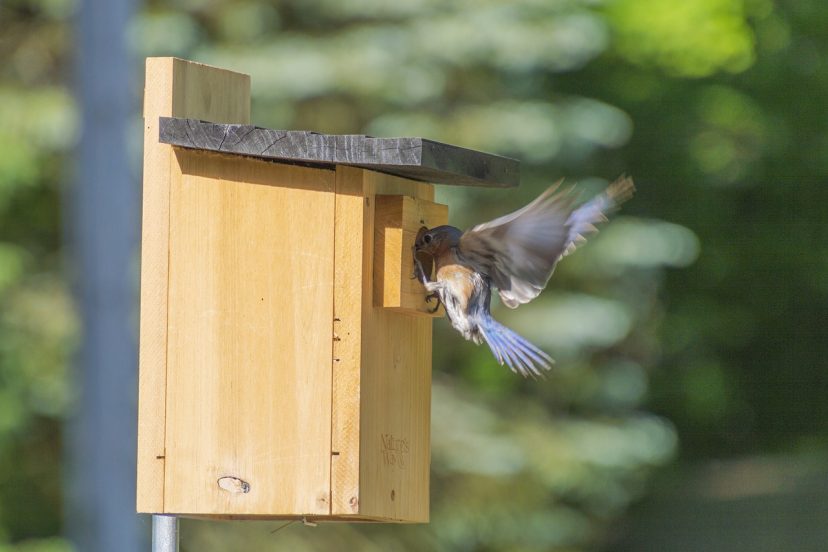
The best beginner children’s woodwork projects feel like games rather than lessons. Simple builds like toy cars, birdhouses, or small boxes spark imagination. Kids love projects with a purpose—something they can play with afterward. I’ve noticed that when projects feel playful, kids stay engaged longer and ask more questions. That curiosity is where real learning happens.
Children’s Woodwork Projects That Encourage Creativity
Creativity thrives when kids are allowed to personalize their projects. Painting, decorating, or choosing colors turns children’s woodwork projects into personal masterpieces. I always encourage kids to make design choices, even if they’re unexpected. Creativity is like a muscle—the more you use it, the stronger it gets. Letting kids express themselves through woodworking builds both imagination and confidence.
Skill-Building Children’s Woodwork Projects Disguised as Fun
Many children’s projects quietly teach important life skills. Measuring boards, following steps, and fixing mistakes all build problem-solving abilities. Kids don’t see it as skill-building—they just see fun. I love how woodworking sneaks learning into playtime. It’s like hiding vegetables in a smoothie—kids enjoy it while getting something good for them.
Fine Motor Skills and Problem Solving
Hammering nails, turning screws, and sanding surfaces strengthen fine motor skills in a natural way. Children’s woodwork projects also encourage problem solving when pieces don’t fit perfectly. I’ve seen kids pause, think, and try again instead of giving up. That persistence is powerful. It teaches them that challenges aren’t roadblocks—they’re puzzles waiting to be solved.
Turning Mistakes Into Learning Moments
Mistakes are inevitable in children’s woodwork projects, and that’s a good thing. When something goes wrong, I frame it as part of the process. Woodworking teaches kids that mistakes can be fixed or adapted. That lesson is incredibly valuable. It helps kids develop resilience and a healthy attitude toward learning. Mistakes stop feeling scary and start feeling normal.
Keeping Kids Engaged Without Pressure
The key to successful children’s woodwork projects is keeping things pressure-free. Kids should feel invited, not forced. I keep sessions short and end on a positive note. When kids associate woodworking with fun rather than expectations, they naturally want to return. Resources like this site provide excellent inspiration for low-pressure, age-appropriate builds.
Conclusion
Children’s woodwork projects truly have the power to make learning feel like play. For kids ages four to eight, woodworking builds confidence, creativity, and essential skills in a warm, joyful way. With the right guidance, materials, and mindset, woodworking becomes more than an activity—it becomes a shared experience full of laughter and learning. I believe every child deserves the chance to build something with their hands and feel proud of what they’ve created.
FAQs
1. Are children’s woodwork projects safe for ages 4–8?
Yes, with adult supervision and kid-friendly tools.
2. What is the best wood for young children?
Soft woods like pine are ideal and easy to work with.
3. How long should a woodworking session last?
Short sessions of 20–30 minutes work best for young kids.
4. Do kids need experience to start woodworking?
No experience needed—simple projects are perfect for beginners.
5. Can woodworking help with school skills?
Absolutely. It supports math, coordination, focus, and problem solving.