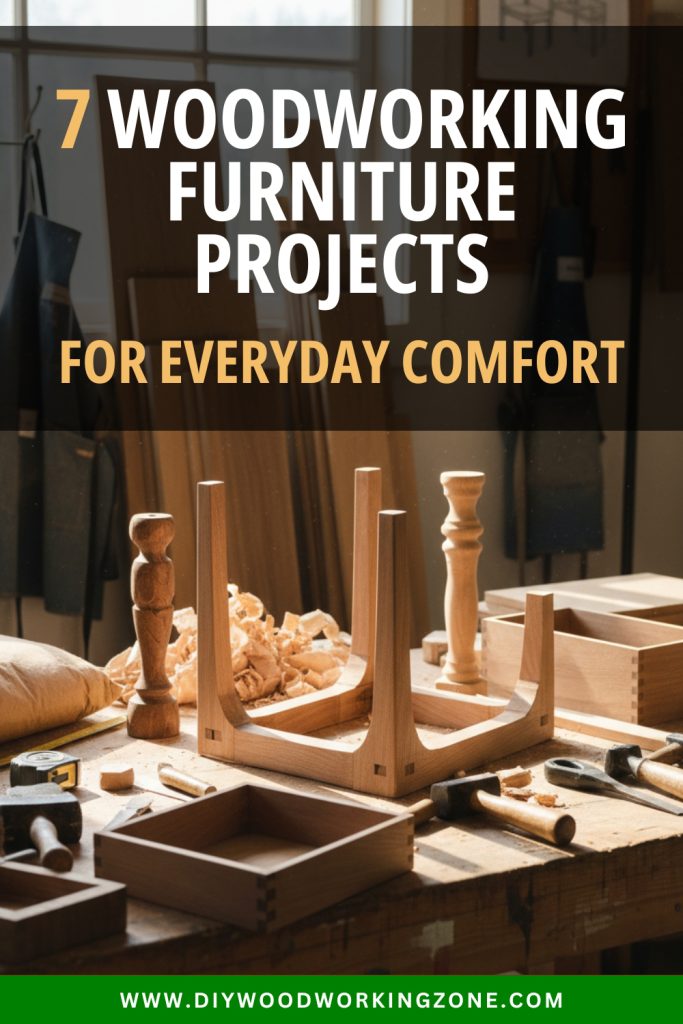
7 Woodworking Furniture Projects for Everyday Comfort
I’ve always believed that woodworking furniture projects offer something truly special—they transform effort, patience, and creativity into comfort you can enjoy every single day. There’s a unique satisfaction that comes from sitting on a bench or setting a mug on a table you built with your own hands. DIY furniture isn’t just about saving money or filling space; it’s about shaping your home to reflect who you are. Every cut, screw, and finish adds personality. These projects blend creativity and practicality perfectly. In this guide, I’m sharing seven woodworking furniture projects that turn raw lumber into practical, comfortable pieces you’ll use daily and proudly show off.
Why Woodworking Furniture Projects Are Worth the Effort
Woodworking furniture projects require more commitment than quick décor builds, but the rewards are much deeper. Store-bought furniture often prioritizes speed and cost over durability, while handmade furniture focuses on strength, comfort, and longevity. I’ve found that furniture builds teach patience, problem-solving, and confidence all at once. There’s something grounding about watching rough boards slowly turn into something useful. Every finished piece carries a story—from the first measurement to the final coat of finish. When you use furniture you built yourself, comfort feels earned, and that emotional connection makes the piece far more meaningful.
Getting Started With Woodworking Furniture Projects
Starting woodworking furniture projects doesn’t require a massive workshop or professional-grade tools. I always recommend beginning with practical designs that fit both your skill level and your living space. Furniture projects feel intimidating at first, but they’re really just a collection of smaller tasks stacked together. When you break them down step by step, they become much more approachable. I like choosing projects that solve everyday problems, such as extra seating or storage. Those functional wins build confidence quickly and make the effort feel worthwhile from the moment the piece is finished.
Choosing the Right Woodworking Furniture Projects for Your Skill Level
One of the biggest mistakes I see is jumping into overly complex woodworking furniture projects too early. I’ve learned that the best projects sit just slightly outside your comfort zone. Beginner builds should focus on straight cuts, solid joinery, and structural stability. As skills grow, adding drawers, shelves, or angled legs becomes much more manageable. Furniture projects should stretch your abilities without overwhelming you. Progress matters more than perfection, and each build teaches lessons that carry into the next. Choosing the right project keeps motivation high and frustration low.
Setting Realistic Expectations for DIY Furniture Projects
Woodworking furniture projects almost never turns out perfect on the first try, and that’s completely okay. I like to think of furniture projects like learning to cook—you improve with every attempt. Expect small gaps, minor flaws, or finish inconsistencies. Those imperfections add character and remind you that the piece is handmade. Focusing on function first helps keep expectations realistic. When furniture is sturdy, comfortable, and useful, cosmetic flaws fade into the background. Realistic expectations make the process enjoyable and keep woodworking feeling rewarding instead of stressful.
Project #1 – Comfortable Wooden Bench
A comfortable wooden bench is one of those woodworking furniture projects that quietly becomes essential. I love benches because they fit almost anywhere—entryways, dining tables, bedrooms, or even porches. They offer seating without visual clutter and feel welcoming by nature. What makes this project especially rewarding is its simplicity paired with everyday usefulness. You don’t need complex joinery to build a bench that feels solid and dependable. I’ve found that even beginner woodworkers gain confidence quickly with this build. Once finished, it’s incredibly satisfying to watch people naturally gravitate toward a bench you made with your own hands.
Basic Steps to Build a Wooden Bench
I usually begin by deciding on the bench’s length and height based on where it will live. After cutting the seat board, I prepare sturdy legs and stretchers that will support weight evenly. Dry-fitting everything before assembly helps catch alignment issues early. Once satisfied, I glue and screw the base together, checking for square as I go. After attaching the seat from underneath, I sand all surfaces smooth, rounding edges for comfort. I finish with stain or a clear coat depending on the style. The end result is a strong, comfortable bench built for daily use.
Project #2 – Solid Wood Coffee Table
A solid wood coffee table is one of my favorite woodworking furniture projects because it blends craftsmanship with constant visibility. This piece sits at the center of a living room, quietly showing off your skills every single day. I love how coffee tables encourage creativity—you can keep the design simple or add shelves, drawers, or decorative legs. More than anything, a handmade coffee table feels personal. Every time I set down a mug or stack a book, I’m reminded that this piece didn’t come from a store. It came from patience, planning, and a little sawdust.
Basic Steps to Build a Coffee Table
I start by selecting straight boards for the tabletop and gluing them edge-to-edge to form a solid surface. Once dry, I trim the top square and sand thoroughly. Next, I build the base, whether that’s four legs with aprons or a full frame. Attaching the top carefully is important—allowing room for wood movement prevents cracking. After final sanding, I apply stain and several coats of protective finish. Taking time here ensures the table handles daily wear while still looking great for years.
Project #3 – Practical Entryway Storage Bench
An entryway storage bench is one of those woodworking furniture projects that instantly improves daily life. I love builds that solve real problems, and this one tackles clutter head-on. Shoes, bags, and seasonal gear finally have a home, while the bench offers a convenient place to sit. This project feels especially rewarding because it combines structure with organization. It’s also surprisingly flexible—you can add cubbies, baskets, or a hinged seat. Every time I walk through the door and see everything neatly contained, I’m reminded why functional furniture is worth the effort.
Basic Steps to Build an Entryway Bench
I begin by building a sturdy box-style frame using plywood or solid wood panels. After assembling the sides and bottom, I add internal dividers or open cubbies depending on storage needs. Once the base is solid, I attach the seat—either fixed or hinged for hidden storage. I sand all edges thoroughly, focusing on corners for safety and comfort. Finally, I apply a durable finish that can handle daily wear. The completed bench feels strong, practical, and welcoming right at the door.
Project #4 – Cozy Wooden Nightstand
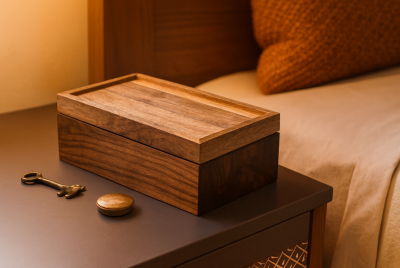
A cozy wooden nightstand is one of the most personal woodworking furniture projects you can build. It sits right beside your bed, holding everything you reach for daily—books, lamps, glasses, and phones. I love nightstands because they’re compact yet meaningful. Their smaller size makes them ideal for experimenting with drawers, shelves, or unique designs without feeling overwhelmed. A handmade nightstand brings warmth to a bedroom and adds a quiet sense of craftsmanship to your nightly routine. It’s one of those pieces you interact with daily without even thinking about it.
Basic Steps to Build a Nightstand
I usually start by cutting the side panels, top, and bottom pieces, then assembling the main frame. Depending on the design, I add a drawer or an open shelf next, making sure everything slides smoothly and sits level. After attaching legs or a base, I sand all surfaces carefully. Finishing comes last, where stain or paint brings the piece to life. A protective topcoat ensures durability. Once placed beside the bed, the nightstand feels both functional and personal.
Project #5 – Functional Wooden Bookshelf
A functional wooden bookshelf is a woodworking furniture project that combines precision with personality. I love how bookshelves display not just books, but interests, memories, and style. This project teaches important lessons about spacing, weight support, and stability. A well-built bookshelf feels dependable, even when fully loaded. I’ve found that building one encourages careful planning, which pays off in long-term use. Whether tall or short, wide or narrow, a handmade bookshelf feels intentional. It’s a piece that quietly supports your everyday life while showcasing your growing woodworking skills.
Basic Steps to Build a Bookshelf
I start by cutting the side panels and shelves to size, double-checking measurements for consistency. Shelves are secured using dados or shelf pins to ensure strength. After assembling the main structure, I attach a back panel to improve rigidity. Sanding smooths all edges and surfaces before finishing. I apply stain or paint followed by a protective coat. Once complete, the bookshelf feels solid, balanced, and ready to hold years of stories.
Project #6 – Rustic Wooden Dining Table
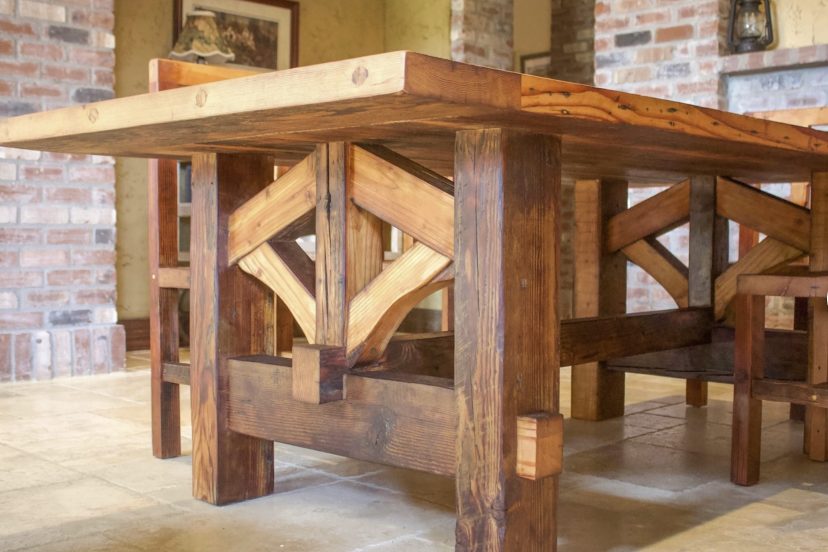
A rustic wooden dining table is one of the boldest woodworking furniture projects you can take on, but it’s also one of the most meaningful. This table becomes the heart of the home—hosting meals, conversations, and celebrations. I love rustic designs because they highlight natural wood grain and forgive small imperfections. Building a dining table teaches patience, accuracy, and respect for material. While it takes time, the reward is unmatched. Sitting down at a table you built yourself adds a sense of pride to every gathering.
Basic Steps to Build a Dining Table
I begin by building the tabletop, carefully joining boards to create a strong, flat surface. After sanding, I construct the base, ensuring legs and stretchers are square and stable. Attaching the top comes next, allowing room for wood movement. Final sanding smooths edges before finishing. I apply a durable finish designed to withstand spills and daily use. The finished table feels solid, welcoming, and ready for years of shared moments.
Project #7 – Relaxing Wooden Lounge Chair
A wooden lounge chair turns woodworking furniture projects into personal comfort zones. I love how this build challenges both creativity and precision. Lounge chairs require thoughtful angles and spacing to ensure comfort, which makes the project especially satisfying. Whether placed on a porch or in a quiet reading corner, the chair invites relaxation. Sitting back in something you built yourself feels like a small victory. It’s not just furniture—it’s a place to unwind, reflect, and enjoy the reward of your craftsmanship.
Basic Steps to Build a Lounge Chair
I start by cutting angled supports and assembling the frame carefully to maintain alignment. Once the frame is secure, I add seat and back slats, spacing them evenly for comfort. Sanding all surfaces is essential, especially for areas that contact the body. For outdoor chairs, I apply weather-resistant finishes. The result is a sturdy, comfortable chair that encourages you to slow down and relax.
Choosing the Right Wood for Furniture Projects
One of the biggest mistakes I see is jumping into overly complex woodworking furniture projects too early. I’ve learned that the best projects sit just slightly outside your comfort zone. Beginner builds should focus on straight cuts, solid joinery, and structural stability. As skills grow, adding drawers, shelves, or angled legs becomes much more manageable. Furniture projects should stretch your abilities without overwhelming you. Progress matters more than perfection, and each build teaches lessons that carry into the next. This site takes a deeper dive into skill levels. Choosing the right project keeps motivation high and frustration low.
Finishing Touches That Improve Comfort and Durability
Finishing is where woodworking furniture projects truly come together. I never rush this step because it affects both comfort and longevity. Smooth sanding removes sharp edges and makes surfaces pleasant to touch. Rounded corners improve safety and comfort, especially on furniture used daily. Stains highlight grain, while clear coats protect against wear. I like applying multiple thin coats for the best results. This video will help choosing a wood finish. A well-finished piece doesn’t just look better—it feels better. Finishing is the difference between “homemade” and “handcrafted.”
Common Mistakes to Avoid With Woodworking Furniture Builds
The most common mistake I see in woodworking furniture projects is rushing the process. Skipping dry fits, ignoring measurements, or hurrying finishes often leads to frustration. Another issue is choosing designs that are too complex too soon. I’ve learned that simple, sturdy builds outperform flashy ones done poorly. Taking breaks helps prevent mistakes, especially during repetitive tasks. Furniture building rewards patience and planning. When you slow down, results improve, and the entire process becomes far more enjoyable.
Conclusion
Woodworking furniture projects turn time, effort, and creativity into everyday comfort. From benches to dining tables, each piece adds function and meaning to your home. I believe handmade furniture carries a warmth that store-bought pieces never can. Every project teaches something new, builds confidence, and leaves you with something lasting. Whether you tackle one build or many, the joy is in creating furniture that supports real life. Pick up your tools, trust the process, and enjoy the comfort you build with your own hands.
FAQs
1. Are woodworking furniture projects beginner-friendly?
Yes, many designs are perfect for beginners when started slowly.
2. What tools do I need to begin?
Basic saws, a drill, clamps, and a sander cover most needs.
3. How long do furniture projects take?
Anywhere from a weekend to several weeks.
4. Is DIY furniture cheaper than buying?
Often yes, especially for solid wood builds.
5. Can woodworking furniture projects be sold?
Absolutely—handmade furniture is always in demand.