5 Outdoor Woodworking Projects That Actually Get Used
I’ve built plenty of outdoor woodworking projects over the years, and I’ll be honest—some looked great but collected dust. Others, though, became part of everyday life. Those are the builds worth repeating. In this article, I’m sharing five outdoor woodworking projects that actually get used, not just admired. These are practical, approachable builds that earn their keep season after season. If you enjoy creating things that make life easier and more comfortable, you’re in exactly the right place.
Why Practical Outdoor Woodworking Projects Matter
I’ve learned that the most satisfying outdoor woodworking projects solve real problems. When a project gets daily use, it feels like a quiet win every time you see it in action. Practical builds justify the time, tools, and effort you put in. They also age better, because wear tells a story instead of looking like neglect. Whether it’s a place to sit, grow food, or set down a drink, usefulness is what turns a simple woodworking project into a backyard essential.
Project #1: The Classic Outdoor Bench
Why This Outdoor Woodworking Bench Gets Used Daily
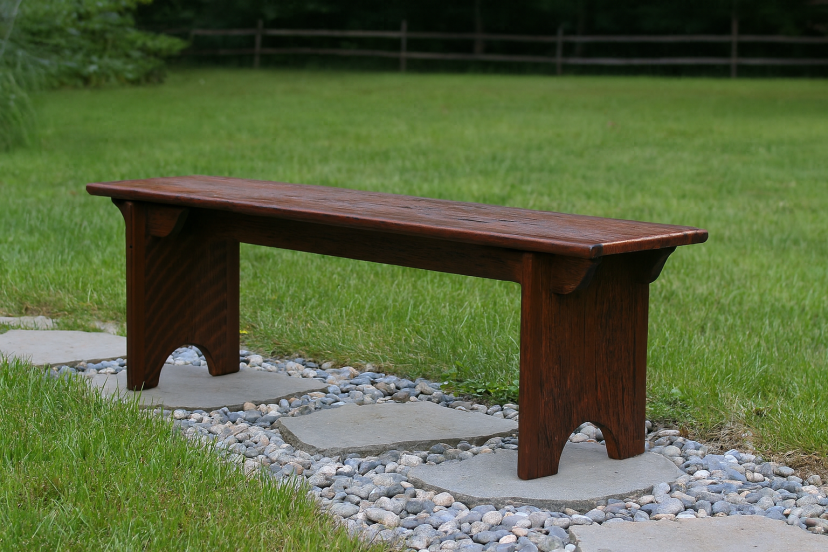
An outdoor bench is one of those woodworking projects that quietly becomes part of your routine. I use mine for morning coffee, evening conversations, and everything in between. It’s not flashy, but it’s dependable, like a favorite pair of boots. Benches work anywhere—gardens, patios, fire pits, or along walkways. Among outdoor woodworking projects, this one delivers constant value because seating is always needed, and homemade benches feel sturdier and more personal than store-bought options.
Basic Steps to Build a Simple Outdoor Bench
I usually start with pressure-treated lumber or cedar for durability. First, I cut the seat boards and legs to size, keeping everything square. Next, I assemble the frame using exterior-grade screws and wood glue. Once the legs are secure, I attach the seat boards with even spacing for drainage. A quick sanding softens edges, and a weather-resistant finish seals the deal. This project is beginner-friendly and builds confidence fast, which is always a bonus.
Project #2: Raised Garden Bed
Why Raised Beds Are a Backyard Favorite
Raised garden beds are hands-down one of the most rewarding outdoor woodworking projects I’ve ever built. They reduce bending, improve soil control, and instantly make a yard feel productive. This video shows a one day build. I love how they encourage consistent use—you’re watering, planting, or harvesting almost daily. Even non-gardeners appreciate the structure and visual order they bring. A raised bed doesn’t just sit there; it invites interaction, which is exactly what a good woodworking project should do.
Basic Steps to Build a Raised Garden Bed
I build most raised beds using untreated cedar boards for safety and longevity. After cutting the boards, I assemble a simple rectangular frame with corner supports. I always pre-drill holes to avoid splitting. Once assembled, I level the ground and set the bed in place. Lining the interior with landscape fabric helps drainage while keeping soil contained. Fill it up, plant away, and suddenly your woodworking project is feeding people—hard to beat that.
Project #3: Outdoor Side Table
Why Small Tables Make a Big Difference
An outdoor side table might sound minor, but trust me—it gets used constantly. I built one on a whim, and now I can’t imagine my patio without it. Drinks, books, snacks, tools—it holds them all. Among outdoor woodworking projects, this one shines because it’s versatile and movable. It follows you around the yard like a loyal assistant, always ready to lend a flat surface when you need one.
Basic Steps to Build an Outdoor Side Table
I like keeping this project simple with straight cuts and minimal hardware. I start by building a square top from slats, then assemble four legs with aprons for stability. Pocket holes or exterior screws work well here. Once everything is aligned, I attach the top and check for wobble. A quick sand and exterior finish later, and it’s ready to use. This is a great scrap-wood project that feels instantly useful.
Project #4: Simple Firewood Rack
Why a Firewood Rack Is Surprisingly Useful
I didn’t expect a firewood rack to become one of my most appreciated outdoor woodworking projects, but here we are. Keeping firewood off the ground makes a huge difference in dryness and convenience. It also keeps the yard looking organized instead of messy. Even if you only use a fire pit occasionally, having neatly stacked wood ready to go feels oddly satisfying, like your backyard is always prepared for guests.
Basic Steps to Build a Firewood Rack
I build firewood racks with sturdy 2x4s and a no-nonsense design. First, I assemble two identical side frames with vertical posts and feet. Then I connect them using horizontal supports sized to my wood length. Everything gets secured with exterior screws. I keep the rack slightly elevated for airflow and drainage. It’s a quick build, but the payoff lasts for years, especially during cooler seasons.
Project #5: Planter Box With Purpose
Why Planter Boxes Never Go Out of Style
Planter boxes are outdoor woodworking projects that blend beauty and function effortlessly. I use mine for herbs, flowers, and even small vegetables. They define spaces, soften hard edges, and invite hands-on interaction. Every time I water or harvest, I’m reminded why I built them. Unlike decorative projects that fade into the background, planter boxes stay relevant because growing things never goes out of style.
Basic Steps to Build a Sturdy Planter Box
I start planter boxes with rot-resistant lumber and a simple box design. After assembling the sides and base, I drill drainage holes and line the interior with landscape fabric. Reinforcing the corners keeps everything square under soil weight. I finish with a breathable exterior sealant. This build is forgiving and customizable, which makes it ideal for experimenting with sizes and styles while still delivering everyday usefulness.
Materials That Work Best for Outdoor Woodworking Projects
Choosing the right materials makes or breaks outdoor woodworking projects. I usually stick with cedar, redwood, or pressure-treated lumber because they handle moisture well. Exterior screws and waterproof glue are non-negotiable. For finishes, I prefer penetrating oils or outdoor sealants that age gracefully instead of peeling. If you want deeper guidance on wood selection, resources like this site offer excellent, practical advice.
Outdoor Woodworking Finishes Simple to Super Durable
When I build outdoor woodworking projects, I always remind myself that the finish is just as important as the cut list. I like starting beginners with penetrating oils because they’re forgiving, easy to apply, and simple to refresh later. For projects that see heavy weather, I step up to exterior stains or marine-grade sealers since they provide stronger protection. I also recommend reapplying finishes annually, especially on high-use surfaces. A little maintenance goes a long way in keeping outdoor projects looking and performing their best. My rule is simple: the more exposure a project gets, the tougher the finish should be. Choosing wisely saves time, preserves beauty, and extends the life of every build.
Outdoor Woodworking Safety Tips I Always Follow
Outdoor builds still demand indoor-level safety habits. I always wear eye protection, especially when cutting treated lumber. Stable work surfaces matter more than speed. I also double-check measurements before cutting—wood is patient, but mistakes are expensive. When working outside, I stay mindful of uneven ground and weather changes. Safe habits keep outdoor woodworking projects enjoyable instead of stressful, and they help ensure you’re around long enough to enjoy what you build.
Conclusion
The best outdoor woodworking projects aren’t the fanciest—they’re the ones that quietly improve daily life. Every project in this list earns its place through regular use, not just good looks. I’ve built each one because it solved a real problem, and that’s why I keep recommending them. If you’re deciding what to build next, aim for usefulness first. Trust me, the satisfaction lasts much longer than the sawdust.
FAQs
1. What wood lasts longest for outdoor woodworking projects?
Cedar and pressure-treated lumber last the longest outdoors due to their resistance to moisture, insects, and decay, making them ideal for long-term use.
2. Are these outdoor woodworking projects beginner-friendly?
Yes, all five projects use simple joinery, straight cuts, and basic tools, making them excellent confidence-building builds for beginners.
3. Do I need expensive tools to build these projects?
Not at all. A circular saw, drill, measuring tape, and sander will handle most of these outdoor woodworking projects just fine.
4. How do I protect outdoor projects from weather?
Use exterior-grade finishes, elevate wood off the ground when possible, and reapply sealant as needed to extend lifespan.
5. Which project should I build first?
I always suggest starting with the outdoor bench—it’s practical, forgiving, and delivers immediate, everyday use.