10 Small Woodworking Projects: Tiny Builds, Big Smiles
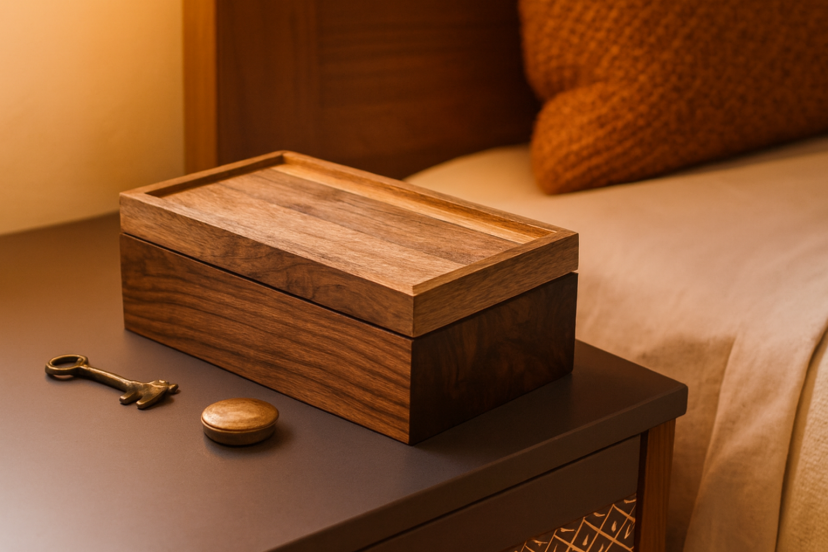
Small woodworking projects have always been my favorite part of the craft, and honestly, they’re where I think woodworking shines the brightest. These are the builds that fit into real life, not just dream workshops and endless free weekends. I love how small projects let you start with a simple idea and finish with something tangible before motivation fades. Whether I’m building for my own home, making heartfelt gifts, or creating items to sell, these projects prove that you don’t need big lumber or big tools to create something meaningful. Tiny builds really do lead to big smiles.
Why Small Woodworking Projects Are So Rewarding
Small woodworking projects strike the perfect balance between effort and satisfaction, which is why I recommend them so often. They allow you to focus on technique without the pressure of long timelines or expensive mistakes. I find they’re especially helpful when learning new skills, since you can experiment freely and adjust quickly if something goes wrong. There’s also something incredibly motivating about finishing a project in a single afternoon or weekend. That sense of completion builds confidence fast and keeps woodworking enjoyable rather than overwhelming. Plus, small projects make great use of scrap wood, saving money and reducing waste.
Small Woodworking Projects for the Home: Rustic Wooden Coasters
Rustic wooden coasters are one of those small woodworking projects that never lose their charm. I like them because they combine practicality with personality, making them perfect for everyday use. Every home needs coasters, but handmade ones feel warmer and more intentional than store-bought versions. I enjoy experimenting with different woods, finishes, and edge styles to give each set its own character. They’re also quick to make, which makes them ideal when I want a satisfying project without committing an entire weekend. As gifts or products to sell, coasters are affordable, useful, and always appreciated.
Why Coasters Are a Perfect Small Woodworking Project
Coasters are forgiving, approachable, and incredibly versatile, which is why I think they’re one of the best small woodworking projects for any skill level. They teach essential skills like accurate cutting, consistent sanding, and finish application without overwhelming complexity. I also like that minor imperfections often add rustic charm instead of ruining the piece. Coasters can be made in batches, which is great if you’re selling, and they’re small enough to experiment with new techniques. From wood burning to contrasting stains, coasters give you creative freedom while still being practical.
How I Build Rustic Wooden Coasters
When I build coasters, I start by selecting hardwood and cutting each piece to the same size because consistency makes the final set feel professional. I spend extra time sanding, especially on the edges, since coasters are handled often and sharp corners can chip easily. Softening edges improves comfort and durability. I prefer oil-based finishes because they highlight grain and offer moisture resistance. Letting the finish fully cure is essential, as it prevents sticking and protects against condensation from cold drinks.
Small Woodworking Projects That Sell: Simple Floating Shelf
A simple floating shelf is one of those small woodworking projects that delivers big visual impact with relatively little effort. I love how a single shelf can instantly add function and style to a room. Shelves are incredibly versatile, working equally well in kitchens, bathrooms, and living spaces. They’re also reliable sellers because everyone understands their value. Building shelves lets you focus on clean lines, smooth finishes, and proper mounting, all of which elevate your craftsmanship without requiring advanced joinery.
Why Small Shelves Always Sell Well
Shelves sell well because they solve a universal problem: limited space. I’ve found that customers gravitate toward simple, neutral designs that blend easily with existing décor. A well-built shelf feels solid and trustworthy, which matters when people plan to place items on it. From a skill-building perspective, shelves teach accuracy and planning, especially when it comes to load support. Among small woodworking projects, shelves strike an ideal balance between usefulness and visual appeal.
How I Build a Simple Floating Shelf
I begin by choosing a straight board, since any warp becomes obvious once mounted. Sanding thoroughly before installation ensures a clean finish and saves time later. I always finish the shelf before mounting to avoid drips or missed spots. When installing, I secure brackets into studs whenever possible for strength. Visit this site for more shelf inspiration. Taking time to level the shelf carefully is critical, because even a slight tilt draws unwanted attention.
Meaningful Small Woodworking Projects: Handmade Picture Frame
Handmade picture frames are some of the most meaningful small woodworking projects I know how to build because they’re never just about the wood. A frame becomes part of a story, holding memories that matter to someone, whether it’s a family photo, a wedding picture, or a child’s drawing. I love that frames feel personal without requiring customization, which makes them great for gifts and selling alike. Even a simple frame design feels elevated when it’s handmade, sanded smooth, and finished with care. These projects also make excellent use of scrap wood, turning leftovers into something sentimental. Every time I build a frame, I’m reminded that woodworking isn’t just about function — it’s about preserving moments.
Why Frames Make Thoughtful Gifts
Picture frames make thoughtful gifts because they create space for meaning without dictating what that meaning should be. I think that’s what makes them so powerful. The person receiving the frame gets to decide what memory lives inside it, which makes the gift feel personal even before a photo is added. From a woodworking perspective, frames are fantastic small woodworking projects because they reward precision and patience. Clean miters, smooth joints, and a well-chosen finish instantly elevate the final result. Frames are also lightweight, easy to ship, and appealing to a wide audience, which makes them excellent for selling. They strike a rare balance between emotional value, practical use, and approachable craftsmanship.
How I Build a Handmade Picture Frame
When I build a handmade picture frame, I start by focusing on accuracy, because tight joints define the entire piece. I carefully cut my miters and always dry-fit everything before applying glue, which helps catch small gaps early. I cut a shallow rabbet on the back so the glass and backing sit flush, giving the frame a clean, professional look. Sanding before final assembly saves time and keeps corners crisp. For finishing, I choose options that enhance the grain rather than overpower it, since the photo should remain the focal point. Taking time at each step ensures the frame feels intentional, not rushed.
Modern Small Woodworking Projects: Wooden Phone Stand
Wooden phone stands are modern small woodworking projects that fit seamlessly into everyday life, which is why I enjoy making them so much. Almost everyone owns a smartphone, and that instantly makes this project relatable and useful. I like how phone stands can be built quickly while still offering room for thoughtful design choices. They’re perfect for desks, kitchen counters, and nightstands, making them easy to gift or sell. Despite their simplicity, a well-made phone stand feels refined and intentional. For me, these projects are a reminder that even the smallest woodworking builds can improve daily routines in subtle but meaningful ways.
Why Desk Accessories Are Popular Small Woodworking Projects
Desk accessories are popular because they quietly improve everyday habits without demanding attention. A wooden phone stand replaces clutter with order, which people immediately appreciate. I find that customers love these small woodworking projects because they combine function with warmth, something plastic alternatives lack. From a maker’s standpoint, phone stands are excellent skill builders. They encourage attention to angles, balance, and surface finish while remaining forgiving. They’re also affordable to produce, quick to complete, and easy to customize with different woods or finishes. That combination makes desk accessories ideal for beginners, gift-makers, and anyone looking to sell practical handmade items.
How I Build a Wooden Phone Stand
I begin by deciding on the viewing angle, since comfort matters more than appearance in this project. A phone that sits too upright or too flat won’t get used. I cut the slot carefully and test-fit frequently, because phones vary in thickness and cases add extra width. Smooth sanding is essential, especially where fingers make contact. I always apply a durable finish to protect against fingerprints and wear, since phone stands are handled daily. Taking these extra steps ensures the stand feels solid, stable, and pleasant to use, which is what keeps people reaching for it every day.
Small Woodworking Projects for Plant Lovers: Mini Plant Stand
Mini plant stands are cheerful small woodworking projects that instantly elevate indoor spaces. With houseplants more popular than ever, these stands are in constant demand. I love how they allow plants to shine while adding just enough structure to feel intentional. These projects are quick to build but visually impactful, making them great for gifts or selling. I enjoy experimenting with proportions, because even small changes in height or leg angle can dramatically affect the final look. Plant stands also introduce light furniture concepts without overwhelming complexity, which makes them especially rewarding for woodworkers looking to expand their skills gradually.
Why Plant Projects Are Trending in Small Woodworking
Plant-related projects are trending because they connect people to nature while still feeling modern and stylish. I’ve noticed that customers gravitate toward items that enhance their plants rather than compete with them. Mini plant stands do exactly that. From a woodworking standpoint, these small woodworking projects teach balance, stability, and proportion, which are skills that carry over into larger builds. They also photograph beautifully, which is a major advantage if you sell online. Watch this video (https://www.youtube.com/watch?v=P4jdhkKVt-U) on how to build easy plant stands. The combination of visual appeal, practical use, and emotional connection makes plant projects consistently popular and deeply satisfying to create.
How I Build a Mini Plant Stand
When building a mini plant stand, I start by prioritizing stability, since a wobbly stand defeats the purpose. I carefully dry-fit the legs before glue-up to ensure even contact with the floor. Attaching the top securely helps distribute weight evenly, which protects both the plant and the stand. I always use a moisture-resistant finish because plants and water go hand in hand. This extra protection keeps the stand looking good over time and prevents swelling or stains, especially in high-humidity environments like kitchens or bathrooms.
Classic Small Woodworking Projects: Small Keepsake Box
Small keepsake boxes are classic small woodworking projects that never lose their appeal. I think it’s because boxes invite curiosity and personal connection in a way few objects do. They’re designed to protect something meaningful, which gives them emotional weight right from the start. I enjoy how even the simplest box design can feel special when built carefully and finished well. These projects are perfect for gifts, heirlooms, or higher-value items to sell. They also encourage slowing down and focusing on details, which is something I really appreciate in woodworking.
Why Boxes Feel Special
Boxes feel special because they’re meant to hold memories, not just objects. That purpose gives them lasting emotional value. I’ve found that people often associate keepsake boxes with trust and sentiment, which makes them feel premium. From a skills perspective, boxes teach patience, accuracy, and clean joinery. Even small gaps stand out, so they reward careful work. Among small woodworking projects, boxes balance craftsmanship and meaning beautifully, making them deeply satisfying to build and highly valued by those who receive them.
How I Build a Small Keepsake Box
When I build a keepsake box, I focus on clean joints first, because precision defines the entire piece. I dry-fit everything before glue-up to ensure alignment and prevent surprises. The lid deserves special attention, since a well-fitting lid instantly elevates the box. I sand thoroughly before finishing, especially inside corners that are harder to reach later. For finishes, I prefer simple options that enhance the wood grain rather than hiding it. These choices help the box feel timeless, intentional, and worthy of whatever it holds.
Practical Small Woodworking Projects: Wooden Key Holder
A wooden key holder is a practical small woodworking project that solves a problem nearly everyone has experienced. Lost keys, cluttered counters, and rushed mornings are universal frustrations. I enjoy building key holders because they combine function with subtle design. They’re quick to make, easy to customize, and always appreciated. These projects work well as gifts and sell consistently because their purpose is instantly clear. A good key holder doesn’t just organize keys — it brings calm to daily routines, which is something people genuinely value.
Why Organization Sells in Small Woodworking Projects
Organization-focused builds sell because they promise less stress and more order. People love items that quietly make life easier. A wooden key holder feels sturdier and more personal than mass-produced alternatives. From a maker’s perspective, these small woodworking projects teach layout, spacing, and practical design thinking. You’re building something that needs to look good and function well every single day. That balance makes organizational projects reliable sellers and satisfying builds that genuinely improve how a space works.
How I Build a Wooden Key Holder
I start with a strong backing board because durability matters when items are used daily. Hook placement is important, so I space them evenly for both function and visual balance. I make sure mounting hardware is secure, since a falling key holder quickly loses trust. A durable finish helps protect the surface from constant handling. Taking care with these details ensures the key holder feels solid, dependable, and pleasant to use, which is exactly what people expect from a functional woodworking piece.
Decorative Small Woodworking Projects: Candle Holders
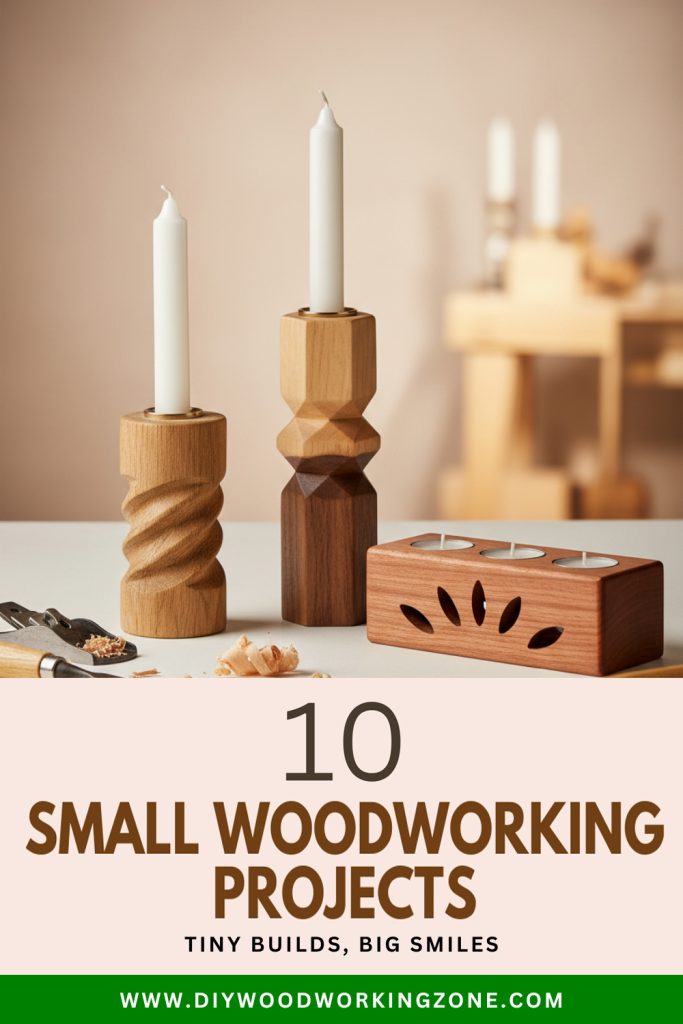
Wooden candle holders are decorative small woodworking projects that instantly add warmth and atmosphere to a room. I enjoy how much creativity they allow despite their simple structure. Different shapes, depths, and wood choices can completely change the mood of the finished piece. Candle holders are quick builds, which makes them ideal for seasonal décor, last-minute gifts, or market items. They’re also great for using offcuts, turning small pieces of wood into something beautiful and functional. These projects remind me that decoration doesn’t have to be complicated to feel special.
Why Décor Projects Are Beginner-Friendly
Décor projects are beginner-friendly because they don’t demand perfection to look good. In fact, small imperfections often add charm. Candle holders are excellent small woodworking projects for experimenting with tools, finishes, and design ideas. They allow creativity without the pressure of tight tolerances. I like recommending décor builds because they’re forgiving, expressive, and quick to complete. Finishing a decorative piece quickly builds confidence and encourages beginners to keep going, which is often the hardest part of learning woodworking.
How I Build Wooden Candle Holders
When I build wooden candle holders, I like to start by playing with height because that’s where the personality comes from. There’s no wrong answer here, which is part of the fun. It can also be any shape, such as a block, star, round, tree, etc. If I’m making a set, I usually vary the heights by about two inches so they feel intentional instead of accidental. Once I settle on sizes, I cut the wood to length and spend a little time smoothing the cut edges, because clean edges instantly make the project feel polished. Next, I decide whether I’m using taper candles or tea lights, since that determines the hole size. Using a spade bit, I drill slowly and deep enough for a snug, stable fit. For finishing, I stick with heat-tolerant options that highlight the grain. Letting the finish fully cure is key, because it keeps the holders safe, durable, and ready for everyday use.
Useful Small Woodworking Projects: Small Wooden Tray
A small wooden tray is one of those useful small woodworking projects that quietly fits into almost every home without effort. I like trays because they adapt to the user rather than forcing a specific purpose. One person may use it for keys and wallets, another for coffee mugs, candles, or bathroom essentials. That flexibility is what makes trays such dependable builds. From a woodworking standpoint, trays also feel satisfying because they look simple but require care to execute well. Straight lines, square corners, and smooth edges matter here. These projects are also easy to scale up or down, making them perfect whether you’re using premium hardwoods or leftover scraps. A well-made tray always feels intentional and never unnecessary.
Why Trays Are Always Useful
Trays are always useful because they solve the problem of visual clutter without demanding attention. I’ve found that people love items that make a space feel calmer while still being functional, and trays do exactly that. They create a defined place for everyday objects, which helps reduce mess and stress. As small woodworking projects, trays appeal to a wide audience because they don’t rely on trends or specific décor styles. A simple wooden tray works just as well in a modern home as it does in a rustic one. From a selling perspective, that universality matters. From a maker’s perspective, trays teach accuracy, alignment, and finishing discipline, all while producing something people genuinely use every day.
How I Build a Small Wooden Tray
When I build a small wooden tray, I start by choosing a stable base, because everything else depends on it staying flat. I cut the sides carefully and dry-fit them before glue-up to make sure the corners meet cleanly. Taking time here prevents gaps that become obvious later. I sand the inside surfaces early, since they’re harder to reach once assembled. Edge treatment matters too, so I slightly round the top edges for comfort and durability. For the finish, I choose something protective but subtle, because trays are handled often. These steps ensure the tray feels solid, balanced, and pleasant to use, not rushed or disposable.
Confidence-Building Small Woodworking Projects: Simple Stool
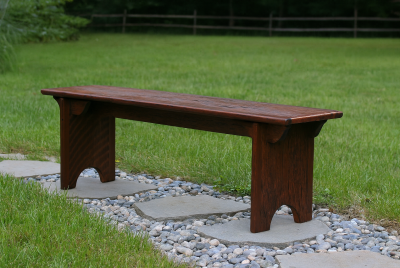
A simple stool is one of the most confidence-building small woodworking projects you can take on. It may look modest, but it represents a real shift from decorative builds to functional furniture. I love stools because they demand strength, balance, and accuracy while still being approachable. There’s something deeply satisfying about building an object that’s meant to support weight and daily use. Even a small stool feels substantial once it’s finished, and that sense of accomplishment sticks with you. These projects help bridge the gap between beginner woodworking and larger furniture builds. Every time I complete a stool, it reinforces the idea that careful planning and patience really do pay off.
Why Small Furniture Builds Confidence
Small furniture builds confidence because they prove your skills in a very tangible way. Unlike décor or accessories, furniture has to work. It must sit flat, stay stable, and handle pressure without failing. That requirement changes how you think about woodworking. Among small woodworking projects, stools are especially powerful because they challenge joinery, alignment, and structure all at once. When someone sits on something you built and it doesn’t wobble, that moment matters. It shows that your measurements, cuts, and assembly were all correct. That success builds trust in your abilities and makes larger furniture projects feel far less intimidating moving forward.
How I Build a Simple Wooden Stool
I begin a stool by focusing on the legs, since stability starts there. I make sure each leg is cut to the exact same length, because even small differences cause wobble. Dry-fitting the frame helps catch alignment issues before glue is involved. I pay close attention to joint strength, reinforcing where needed to ensure long-term durability. Sanding is especially important on a stool, because it’s handled and used constantly. For finishing, I choose something tough enough for daily wear. These steps help ensure the stool feels solid, safe, and comfortable, which is exactly what furniture should be.
Conclusion
Small woodworking projects show that meaningful craftsmanship doesn’t require massive builds or complex designs. Projects like trays and stools prove that usefulness, durability, and beauty can exist in simple forms. Each build teaches valuable lessons, whether it’s precision, patience, or structural thinking. I’ve found that these projects not only improve skills but also build confidence and momentum. Completing something functional encourages you to keep going and take on bigger challenges. Whether you’re building for yourself, for gifts, or to sell, small woodworking projects fit naturally into real lives and real schedules. They remind us that woodworking is about solving problems thoughtfully and creating objects that earn their place in everyday use.
FAQs
1. Are small woodworking projects good for beginners?
Yes, they’re ideal because they build confidence quickly without overwhelming complexity.
2. Can I sell small woodworking projects online?
Absolutely, many small woodworking projects sell very well online.
3. How long do these projects usually take?
Most can be completed in a few hours or over a weekend.
4. Do I need expensive tools?
No, basic tools are enough for most small woodworking projects.
5. What wood works best for small projects?
Hardwoods offer durability, while pine and poplar are beginner-friendly.