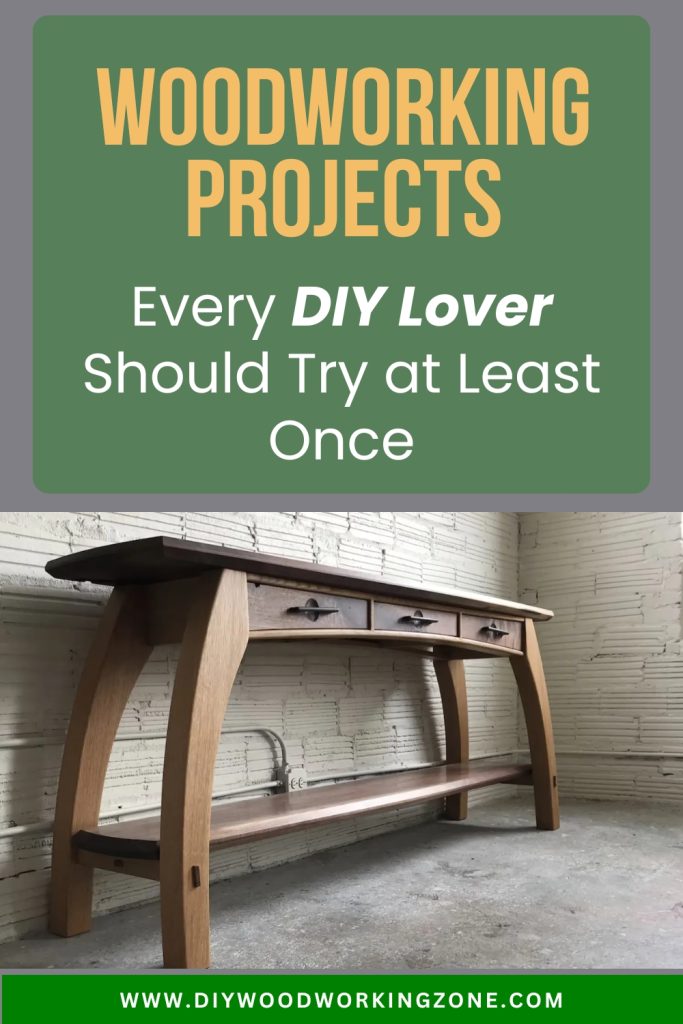
Woodworking Projects Every DIY Lover Should Try at Least Once
Introduction
I’ve always believed that woodworking projects are more than just a hobby—they’re a hands-on conversation between creativity and patience. If you’re a DIY lover like me, woodworking gives you that rare mix of problem-solving and pure joy. There’s nothing quite like stepping back, covered in sawdust, and admiring something you made from scratch. In this article, I’m sharing woodworking projects I truly think every DIY enthusiast should try at least once, along with honest advice I’ve learned through experience.
Why Woodworking Projects Are a Must for DIY Enthusiasts
Woodworking projects have a magical way of turning ideas into something solid and useful. For DIY lovers, they scratch that itch to create while also building practical skills. I’ve found that woodworking teaches patience better than any self-help book ever could. You slow down, measure carefully, and respect the material. Plus, woodworking projects deliver something many hobbies don’t—a finished piece you can use, gift, or proudly show off in your home.
Getting Comfortable with Woodworking Projects as a Beginner
When I first started woodworking projects, I worried about making mistakes. Spoiler alert—I made plenty. And that’s okay. Woodworking is one of those crafts where learning comes from doing, not overthinking. Getting comfortable means allowing yourself to be imperfect. Start small, focus on learning the tools, and enjoy the process. Confidence builds with each project, and before you know it, woodworking feels less intimidating and far more exciting.
Setting Realistic Expectations From the Start
One thing I always remind new woodworkers is this: your first projects won’t look like showroom furniture. And they shouldn’t. Woodworking projects are about growth, not instant perfection. I like to compare it to cooking—your first meal might be edible, but mastery comes with time. When you set realistic expectations, every improvement feels rewarding instead of frustrating. Celebrate progress, not perfection.
Creating a Safe and Enjoyable Workspace
A comfortable workspace makes woodworking projects far more enjoyable. You don’t need a fancy shop—I started in a small garage corner. What matters is good lighting, proper ventilation, and safety gear. A clutter-free space helps your mind stay focused, too. I always say your workspace should invite you in, not stress you out. When your environment feels safe and welcoming, creativity flows much easier.
Understanding Essential Tools for Woodworking Projects
Tools are the backbone of woodworking projects, but you don’t need to buy everything at once. Let’s be honest—tools can get expensive fast! I’ve learned that mastering a few quality tools beats owning dozens you barely understand. Actually, many affordable woodworking tools perform just as well as their pricey counterparts. The goal is control, not complexity. Knowing what each tool does—and why—makes your projects smoother and safer. Tools should feel like helpful partners, not confusing obstacles.
Hand Tools vs Power Tools
When it comes to woodworking projects, both hand tools and power tools bring something valuable to the table. Using hand tools encourages careful attention, steady control, and a deeper understanding of how wood behaves with each cut or stroke. Power tools, on the other hand, speed things up and make larger or repetitive tasks far less tiring. I personally switch between the two based on what the project calls for. For beginners, combining both creates a well-rounded learning experience. Trusted resources like this site can help you choose the right tools and learn how to use them safely and confidently.
Tools I Recommend Starting With
If I had to start over, I’d begin with a tape measure, circular saw, drill, clamps, and sander. These tools cover a surprising number of woodworking projects. They’re versatile, beginner-friendly, and easy to upgrade later. I also recommend learning tool safety early. This video provides excellent guidance and reviews to help you invest wisely.
Beginner Woodworking Projects Everyone Should Try
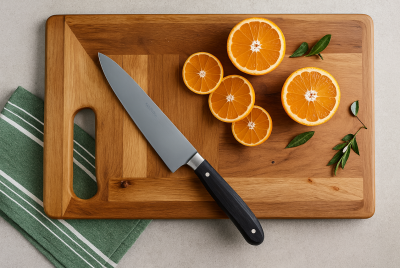
Beginner woodworking projects are all about building confidence. Projects like simple shelves, cutting boards, or storage crates teach essential skills without overwhelming you. I love recommending these because they deliver quick wins. Each completed project reinforces the idea that yes—you can do this. Small successes are powerful motivators, especially early on.
Projects That Build Confidence Fast
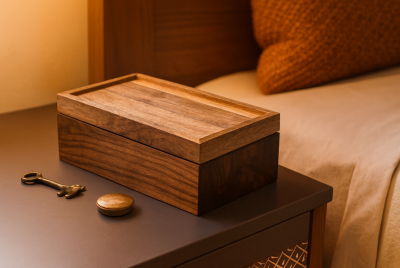
One of my favorite confidence-boosting woodworking projects is a basic bench. It teaches measuring, cutting, and joining, all while producing something useful. Another great option is a wooden box—it sounds simple, but it sharpens accuracy fast. These projects act like training wheels, helping you balance technique and creativity without fear of failure.
A Simple Wooden Bench
A basic wooden bench is one of the best beginner woodworking projects you can tackle. It looks straightforward, but it quietly teaches nearly every foundational skill you’ll use later. Measuring accurately, making straight cuts, drilling pilot holes, and assembling square joints all come into play. The beauty of this project is that small imperfections don’t ruin the result—in fact, they add character.
I love recommending a bench because it’s practical and forgiving. You can use it in an entryway, at a dining table, or even in the workshop itself. Pine or other softwoods work well here, making mistakes easier to fix. By the time the bench is finished, beginners usually feel a huge confidence boost. It’s that moment where woodworking stops feeling intimidating and starts feeling possible.
This project also introduces the habit of planning ahead. Even a simple bench requires thinking about weight support and balance. Once you sit on something you built yourself and it holds steady, the sense of accomplishment is unforgettable.
Intermediate Woodworking Projects That Expand Your Skills
Once you’re comfortable, intermediate woodworking projects feel like leveling up in a game. Suddenly, you’re thinking about joinery, design, and durability. I remember building my first coffee table—it wasn’t perfect, but it taught me more than ten small projects combined. These builds push you to plan ahead and trust your growing skills.
Furniture and Functional Builds
Furniture woodworking projects are incredibly satisfying because they blend form and function. Bookshelves, nightstands, and desks teach balance, structure, and finishing techniques. I love furniture projects because you interact with them daily, constantly reminded that you built them yourself. That sense of pride never gets old.
A Handmade Coffee Table
Building a coffee table is a true step up and one of the most rewarding intermediate woodworking projects. Unlike beginner builds, this project forces you to think beyond basic assembly. You’ll need to consider joinery strength, symmetry, proportions, and how the piece will look in a real living space.
What makes a coffee table such a powerful learning experience is the combination of structure and style. The legs must be solid and level, the tabletop flat and smooth, and the joints strong enough to last for years. This is often where woodworkers first experiment with more advanced techniques like pocket holes, dowels, or simple mortise-and-tenon joints.
Finishing becomes especially important here. Sanding evenly, choosing a stain, and applying a protective seal teach patience and attention to detail. Every time you set something on the table or walk past it, you’re reminded of the skills you’ve gained. It’s not just furniture—it’s proof that your woodworking abilities are evolving.
Advanced Woodworking Projects That Challenge Creativity
Advanced woodworking projects aren’t about speed—they’re about intention. These builds demand patience, precision, and problem-solving. I see them as creative marathons rather than sprints. They challenge your skills and your mindset, often teaching lessons you didn’t expect. While demanding, advanced projects deliver deep satisfaction and personal growth.
Custom and Decorative Creations
Custom woodworking projects allow creativity to shine. Carved details, custom cabinets, or decorative wall art blur the line between craft and art. I love how these projects feel deeply personal, almost like signing your name in wood. They remind me why I fell in love with woodworking in the first place—expression without limits.
A Custom Storage Cabinet or Bookshelf
A custom cabinet or bookshelf is one of those advanced woodworking projects that truly tests both skill and creativity. This isn’t just about cutting and assembling wood—it’s about problem-solving, design, and precision. From planning internal shelving to aligning doors and hardware, every step requires intention.
Advanced projects like this demand accuracy. Small measurement errors can snowball into big alignment issues, so patience becomes just as important as skill. You’ll likely work with hardwoods, experiment with complex joinery, and make design decisions that affect both function and aesthetics.
What I love most about custom cabinets or bookshelves is how personal they feel. You’re designing something to fit a specific space and purpose, which turns the project into a form of self-expression. Decorative details, clean lines, or unique finishes all become part of your woodworking signature. Completing a project like this feels less like finishing a build and more like completing a creative journey.
Choosing the Right Wood for Long-Lasting Results
Wood selection plays a massive role in woodworking projects. Softer woods like pine are forgiving, while hardwoods demand respect. I’ve learned that matching wood type to project purpose saves frustration. Choosing wisely improves durability and appearance. Think of wood like ingredients—great recipes start with the right base.
Finishing Touches That Transform Woodworking Projects
Finishing is where woodworking projects truly come alive. Sanding, staining, and sealing elevate your work from homemade to handcrafted. I’ve learned patience here pays off more than anywhere else. Rushing finish work can undo hours of effort. Treat finishing like polishing a story—it highlights everything you’ve already built.
Common Lessons Learned From Woodworking Projects
Every woodworking project teaches something, even the frustrating ones. I’ve learned to measure twice, slow down, and respect the process. Mistakes aren’t failures—they’re teachers. Woodworking has taught me problem-solving, patience, and pride in craftsmanship. These lessons extend far beyond the workshop, which is why I keep coming back.
Conclusion
Woodworking projects offer DIY lovers a perfect blend of creativity, skill-building, and personal satisfaction. From beginner builds to advanced creations, each project adds confidence and experience. I truly believe everyone should try woodworking at least once—it teaches you how capable you really are. Keep building, keep learning, and enjoy every moment covered in sawdust.
FAQs
- Are woodworking projects expensive to start?
No, you can begin with basic tools and affordable wood. - What woodworking project is best for beginners?
Simple shelves or boxes are great starting points. - Do I need a workshop to do woodworking projects?
Not at all—small spaces work just fine. - How long does it take to get good at woodworking?
Skills grow with practice; consistency matters more than speed. - Can woodworking projects be done as a side hustle?
Absolutely, many DIY lovers turn their projects into income.