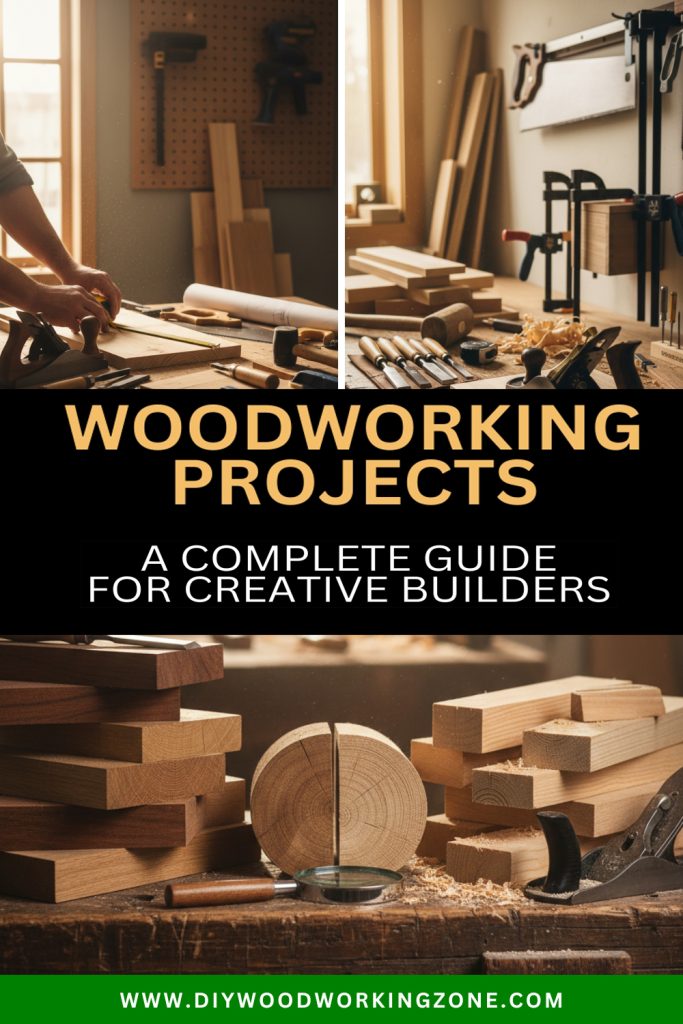
Woodworking Projects: A Complete Guide for Creative Builders
Introduction
Woodworking projects have been a huge part of my life for years, and honestly, I still get that same spark of excitement every time I cut into a fresh board. There’s something deeply satisfying about turning raw wood into something useful or beautiful with your own hands. In this guide, I’m sharing everything I’ve learned—mistakes, tips, and small wins included. Whether you’re brand new or already dusting off your shop apron, this article is here to help you enjoy woodworking more confidently and creatively.
Why Woodworking Projects Never Go Out of Style
Woodworking has this timeless charm that never fades, no matter how digital our world becomes. I think it’s because wood connects us to something real and grounding. When you build something yourself, it feels personal, almost like the piece carries a bit of your story. Plus, woodworking projects blend creativity and practicality perfectly. You’re not just making art; you’re crafting things that serve a purpose, whether it’s a shelf, a table, or a gift that lasts generations.
Getting Started With Woodworking Projects
Starting a project can feel overwhelming, but trust me, it doesn’t have to be. I always tell beginners to focus on progress, not perfection. The beauty of woodworking is learning as you go, one project at a time. Start small, accept that mistakes will happen, and remember that every miscut board teaches you something valuable. Once you let go of the pressure, woodworking projects become less intimidating and way more fun.
Choosing the Right Workspace
Your workspace doesn’t need to be fancy to support great woodworking projects. I started in a cramped garage with barely enough room to turn around, and it worked just fine. What matters most is good lighting, ventilation, and a stable surface. Even a corner of a basement or shed can become a productive space. Think of your workspace like a kitchen—organized, safe, and designed to help you enjoy the process.
Basic Tools Every Woodworker Needs
When it comes to woodworking projects, you don’t need every tool under the sun. I recommend starting with a solid measuring tape, a circular saw or handsaw, clamps, a drill, and sandpaper. These basics can carry you through dozens of projects. Over time, you’ll naturally add tools as your skills grow. Tools are like spices in cooking—you start simple, then expand as your confidence builds.
Understanding Wood Types for Better Woodworking Projects
Choosing the right wood can make or break your woodworking projects. I’ve learned this the hard way more than once. Different woods behave differently when cut, sanded, or finished. Some are forgiving, while others demand patience. Understanding wood types helps you avoid frustration and wasted material. Think of wood like personalities—some are easygoing, others are stubborn, but all have their place when used correctly.
Hardwoods vs Softwoods
Each shine in different woodworking projects. Hardwoods like oak and maple are durable and beautiful but can be tough to work with. Softwoods like pine and cedar are easier to cut and more budget-friendly. I often suggest softwoods for early projects because they’re forgiving and widely available. Once you gain experience, experimenting with hardwoods becomes a rewarding challenge rather than a headache.
Best Woods for Beginners
If you’re new to woodworking projects, pine is your best friend. It’s affordable, easy to find, and simple to work with. Poplar is another great option, especially for painted projects. These woods help you focus on technique rather than fighting the material. Starting with beginner-friendly wood builds confidence quickly, and confidence is the secret ingredient that keeps people coming back to woodworking again and again.
Beginner-Friendly Woodworking Projects to Build Confidence
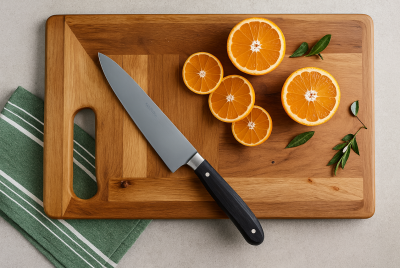
Beginner woodworking should feel achievable, not stressful. I always suggest projects like cutting boards, small shelves, or simple benches. These builds teach measuring, cutting, and finishing without overwhelming you. Each completed project feels like a small victory, and those wins add up fast. Think of beginner, easy woodworking projects as training wheels—they help you balance until you’re ready to ride on your own.
Small Projects That Teach Big Skills
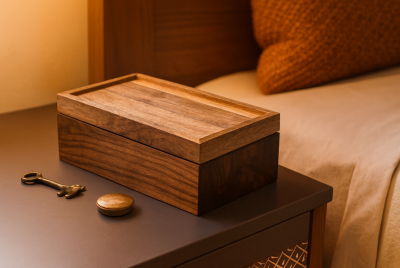
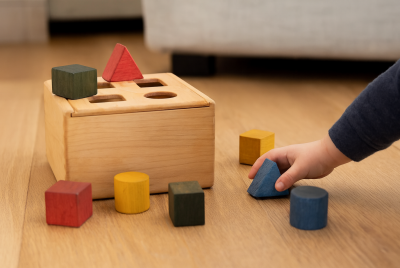
Small projects are sneaky teachers. A simple birdhouse can introduce joinery, while a box teaches precision and patience. I love recommending projects that can be finished in a weekend because they keep motivation high. Quick results are powerful. For inspiration, sites like this one offer fantastic beginner-friendly woodworking projects that spark creativity and confidence.
Intermediate Woodworking Projects That Level Up Your Skills
Once you’ve built a few projects, you’ll naturally crave more complexity. Intermediate projects challenge your accuracy and planning skills. I remember my first table build—it wasn’t perfect, but it taught me more than any book ever could. These projects push you to think ahead, visualize outcomes, and solve problems. That’s where woodworking really starts to feel like a craft, not just a hobby.
Furniture-Based Woodworking Projects
Furniture projects are incredibly rewarding because you use them every day. Chairs, coffee tables, and bookshelves teach structural integrity and design balance. I always encourage woodworkers to try furniture projects when they’re ready because they combine function with creativity. Resources like this site provide excellent guidance and inspiration for furniture-focused woodworking projects at every skill level.
Advanced Woodworking Projects for Passionate Makers
Advanced woodworking projects are where passion truly shines. These builds often involve complex joinery, custom designs, and a lot of patience. I see advanced projects as long conversations with the wood—you listen, adjust, and refine. While they take more time, the results are deeply satisfying. Advanced projects aren’t about speed; they’re about craftsmanship, pride, and pushing personal boundaries.
Custom and Artistic Builds
At the same time, custom woodworking projects let your personality take center stage. For instance, whether it’s a carved headboard or an artistic wall piece, these projects blur the line between function and art. On top of that, I love how custom builds tell a story and often turn into great conversation starters. In the end, they remind me that woodworking isn’t just about utility—it’s also about expression, creativity, and leaving a personal mark on every piece you make.
Common Mistakes to Avoid in Woodworking Projects
We all make mistakes in projects, and honestly, that’s part of the charm. That said, rushing measurements and skipping safety steps are two big ones I see often. Measure twice, cut once isn’t just a saying—it’s survival advice. I also recommend dry-fitting pieces before final assembly. Mistakes aren’t failures; they’re tuition fees in the school of woodworking.
Finishing Techniques That Elevate Projects
A good finish can turn average woodworking projects into showstoppers. Sanding properly, choosing the right stain, and applying finish patiently make all the difference. I like to think of finishing as the frame around a painting—it enhances what’s already there. Take your time, follow the product instructions, and don’t rush drying. Your patience will absolutely show in the final result.
Staying Inspired and Growing as a Woodworker
Honestly, staying inspired with woodworking projects is easier than you think. For starters, I keep a notebook full of ideas, sketches, and notes from projects I admire. Along the way, watching other woodworkers, reading blogs, and experimenting with new techniques helps keep things fresh. In the end, growth comes from curiosity, not perfection. As long as you keep building, learning, and enjoying the process, you’re doing woodworking exactly right.
Conclusion
Woodworking projects have a special way of blending creativity, problem-solving, and hands-on satisfaction. From beginner builds to advanced creations, every project teaches something valuable. I’ve learned that woodworking isn’t about flawless results—it’s about enjoying the journey. If you stay curious, patient, and open to learning, woodworking will reward you with skills, confidence, and pieces you’ll treasure for years to come.
FAQs
- What are the best woodworking projects for beginners?
Small projects like shelves, cutting boards, and birdhouses are ideal starting points. - Do I need expensive tools for woodworking projects?
No, basic tools are enough to start and grow over time. - How long does it take to learn woodworking?
While woodworking is a lifelong learning process, the basics, fortunately, come quickly with practice. - What wood is easiest to work with?
Pine and poplar are very beginner-friendly and affordable. - Can woodworking projects be profitable?
Yes, many woodworkers sell handmade items or custom furniture successfully.