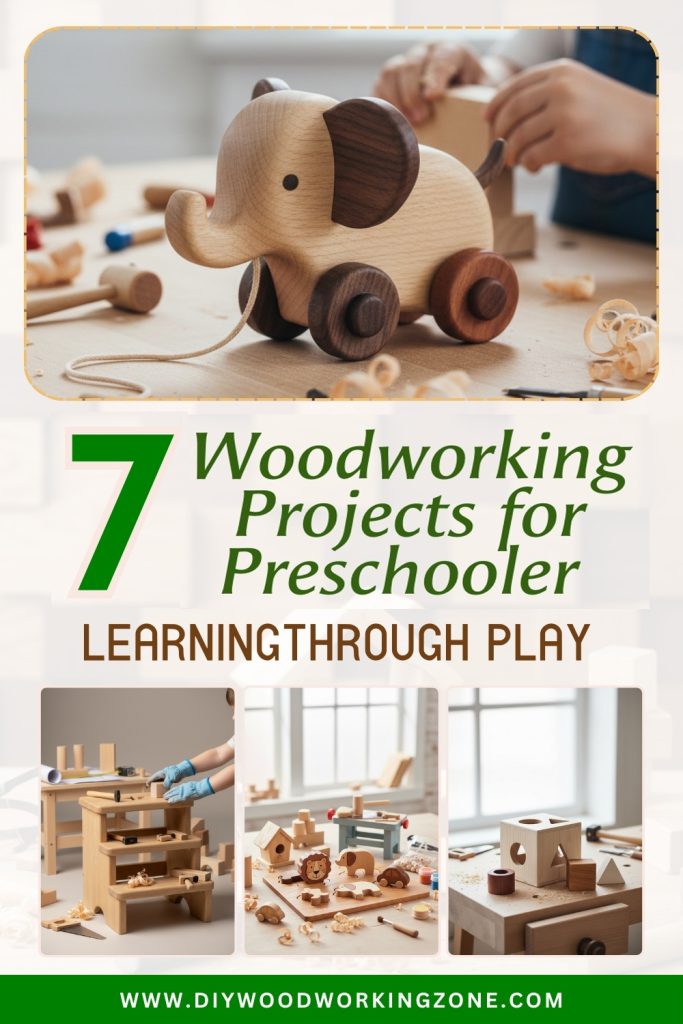
7 Woodworking Projects for Preschooler Learning Through Play
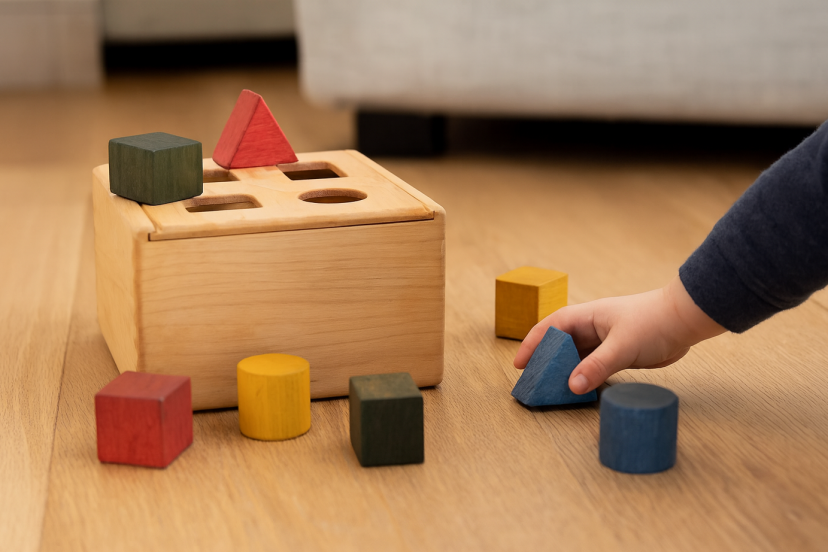
I’ve always believed that preschoolers learn best when they’re having fun and don’t even realize a lesson is happening. That’s why woodworking projects for preschooler playtime are such a perfect match. Woodworking turns curiosity into confidence and play into skill-building without feeling like “school.” When little hands sand wood, stack pieces, or roll a handmade toy across the floor, they’re learning patience, problem-solving, and creativity all at once. In this article, I’m sharing seven of my favorite woodworking projects for preschooler learning through play—projects that are simple, safe, and genuinely enjoyable. These ideas are designed to bring smiles, spark imagination, and create meaningful moments you’ll both remember long after the sawdust is gone.
Why Woodworking Projects for Preschooler Development Matter
Woodworking projects for preschooler development go far beyond building something cute or decorative. When preschoolers work with wood, they’re engaging their senses in a way few activities can match. They feel textures, hear sounds, and see cause-and-effect in real time. I’ve noticed that even the smallest tasks—like sanding an edge or fitting a piece into place—build patience and focus. These projects help strengthen fine motor skills, spatial awareness, and early problem-solving abilities. It’s learning wrapped in play, which is exactly how preschoolers thrive. Woodworking also encourages perseverance. When something doesn’t work the first time, kids learn to try again, building resilience in a natural and encouraging way.
Safety First: Preparing a Preschooler-Friendly Workspace
Before starting any woodworking projects for preschooler fun, I always say safety comes first—but it doesn’t have to feel scary or restrictive. Think of the workspace like a well-designed playground: safe, inviting, and full of possibilities. I prefer a sturdy table at a comfortable height, plenty of lighting, and tools designed specifically for little hands. Preschoolers don’t need sharp saws or power tools to feel involved. Sanding blocks, wooden mallets, clamps, and pre-cut pieces are more than enough. I also recommend child-sized safety glasses, which kids usually love wearing. When children feel safe, they relax and engage fully, making woodworking projects for preschooler learning smoother, calmer, and far more enjoyable for everyone involved.
Choosing the Right Materials for Woodworking Projects for Preschooler Fun
The materials you choose can make a huge difference in how successful your woodworking projects for preschooler play turn out. I always recommend starting with soft woods like pine, poplar or balsa because they’re lightweight, easy to sand, and forgiving if mistakes happen. Avoid pressure-treated wood or anything with chemical finishes, as safety should always come first. Smooth edges matter more than perfect measurements. I prefer non-toxic wood glue and water-based finishes so I don’t have to worry about curious hands and mouths. Choosing the right materials removes frustration and lets preschoolers focus on creativity and fun.
Project 1: Simple Wooden Shape Sorter
A wooden shape sorter is one of my all-time favorite woodworking projects for preschooler learning because it quietly teaches so many skills at once. Preschoolers naturally love fitting things together, and a shape sorter taps into that instinct beautifully. As they rotate shapes and test different openings, they’re learning problem-solving, patience, and spatial awareness without pressure. I love how this project grows with the child—at first, they explore randomly, but over time their confidence builds and decisions become quicker. The beauty of a wooden shape sorter is that it doesn’t need to be perfect. Slight variations actually encourage deeper thinking and exploration, making learning feel playful rather than forced.
Learning Benefits of a Shape Sorter
The learning benefits of this woodworking project for preschooler development are surprisingly wide-ranging. Shape sorters help build fine motor control as kids grasp, rotate, and place pieces. They also introduce early math concepts like shapes, sizes, and patterns in a hands-on way. What I love most is how a shape sorter encourages trial and error. Preschoolers learn that mistakes aren’t failures—they’re simply part of the process. Every successful match feels like a small victory, boosting confidence and independence. This kind of learning sticks because it’s tied to physical experience, not memorization. It’s like planting seeds that grow quietly over time.
Basic Steps to Build a Wooden Shape Sorter
To build this woodworking project for preschooler play, I start with a small wooden box and cut several chunky shapes from scrap wood. After sanding everything until smooth, I trace each shape onto the lid and carefully cut out the matching holes. The lid can be attached with screws so it’s removable later for easy access. I always invite preschoolers to help with sanding or testing the shapes—it keeps them engaged and proud of the final result. The goal isn’t perfection; it’s durability and safety. This project is simple to build but endlessly rewarding to watch in action.
Project 2: Mini Wooden Toy Car
A mini wooden toy car is pure joy packed into a simple woodworking project for preschooler play. There’s something magical about a toy that rolls smoothly across the floor, especially when a child helped build it. I’ve watched preschoolers turn one small wooden car into an entire world of adventures, complete with sound effects and imaginary roads. This project encourages movement, storytelling, and exploration all at once. Best of all, it doesn’t rely on batteries or screens—just imagination. The simplicity of a wooden car makes it sturdy, timeless, and perfect for little hands that love to push, pull, and race.
Why Toy Cars Encourage Problem Solving
Toy cars may seem simple, but they’re powerful learning tools. As part of woodworking projects for preschooler development, they introduce basic engineering concepts in a hands-on way. Preschoolers notice when wheels don’t spin smoothly or when a car veers off course. These moments spark curiosity and problem-solving. I love seeing kids experiment, flip the car over, and try again. Toy cars also inspire imaginative play, which supports language development and emotional expression. When a preschooler narrates a car’s journey, they’re practicing storytelling and communication skills—learning disguised as fun.
Basic Steps to Build a Mini Wooden Toy Car
When I build a mini wooden toy car as part of my woodworking projects for preschooler play, I always start simple. I cut a chunky car body shape from soft wood, keeping edges rounded for safety. Next, I drill holes for the axles, making sure they’re straight so the wheels roll smoothly. Wooden dowels work perfectly as axles, and wooden discs make sturdy wheels. After dry-fitting everything, I sand all surfaces until smooth—this is where preschoolers love to help. Once assembled, I test the roll, then let the child choose colors or stickers. Keeping the design basic ensures durability while still encouraging imaginative, hands-on play.
Project 3: Wooden Building Blocks
Wooden building blocks are one of the most versatile woodworking projects for preschooler learning, and I never get tired of recommending them. Blocks may look simple, but they support endless creativity and problem-solving. Preschoolers can stack, sort, line up, or knock them down, learning balance and cause-and-effect with every move. I love how blocks meet kids exactly where they are—toddlers explore textures, while older preschoolers build towers and bridges. These blocks also grow with the child, staying relevant for years. Unlike flashy toys, wooden blocks invite imagination to do the heavy lifting, making them a quiet but powerful learning tool that fits beautifully into everyday play.
How Blocks Support Open-Ended Play
Open-ended play is where preschoolers truly shine, and wooden blocks are perfect for it. As part of woodworking projects for preschooler creativity, blocks don’t tell kids what to do—they ask, “What can you make today?” One day they’re houses, the next they’re roads or castles. I love watching preschoolers adapt their ideas when towers fall, learning resilience without frustration. Blocks encourage experimentation, cooperation, and storytelling, especially when kids build together. This kind of play strengthens spatial reasoning and critical thinking while keeping things fun and pressure-free. It’s like giving kids a blank canvas made of wood and letting their imagination fill in the rest.
Basic Steps to Build Wooden Blocks
To build wooden blocks for a woodworking project for preschooler play, I start by cutting soft wood into uniform cubes and rectangles. Consistency helps with stacking, but perfection isn’t required. The most important step is sanding—every edge and corner should be smooth and slightly rounded. I avoid paint unless it’s non-toxic and child-safe, often leaving blocks natural so kids can focus on texture and shape. Preschoolers love helping sort finished blocks or stack them as I work. Once complete, these blocks don’t just become toys—they become tools for learning, creativity, and calm, open-ended play.
Project 4: Child-Sized Wood Tool Box
A child-sized toolbox is one of those woodworking projects for preschooler pretend play that instantly sparks excitement. Preschoolers love copying adults, and having their own toolbox makes them feel capable and included. I’ve seen kids proudly carry their toolbox from room to room, “fixing” imaginary problems with complete seriousness. This project encourages responsibility, organization, and imaginative play all at once. It also helps normalize woodworking as something accessible, not intimidating. When kids feel trusted with their own tools—even toy ones—they gain confidence. A simple wooden toolbox becomes more than storage; it becomes a symbol of independence and hands-on learning.
Pretend Play and Confidence Building
Pretend play is a powerful confidence booster, and woodworking projects for preschooler imagination tap directly into that magic. When a preschooler pretends to build, repair, or create, they’re practicing real-world roles in a safe way. I’ve noticed how kids stand taller when they feel useful. A toy toolbox invites problem-solving, communication, and creativity, especially during group play. Kids explain what they’re fixing, negotiate roles, and invent stories. This kind of play strengthens emotional development and self-esteem naturally. It’s learning without pressure, where confidence grows quietly with every pretend screw turned and every imaginary project completed.
Basic Steps to Build a Wooden Toy Tool Box
To build this woodworking project for preschooler play, I keep the design simple and lightweight. I start with an open rectangular box and add a sturdy handle across the top. After assembling, I sand every surface thoroughly to avoid splinters. Preschoolers can help sand or decorate, which makes the toolbox feel truly theirs. I avoid sharp corners and keep dimensions small enough for easy carrying. Once finished, the toolbox often becomes part of many other woodworking projects, turning pretend play into an ongoing learning experience filled with pride and curiosity.
Project 5: Wooden Puzzle Board
A wooden puzzle board is a calming, focused woodworking project for preschooler learning that encourages patience and concentration. Unlike noisy toys, puzzles create quiet moments where kids can slow down and think. I love watching preschoolers work through puzzles, trying different combinations until something fits. The wooden texture adds a sensory element that plastic puzzles can’t match. This project supports problem-solving and fine motor development while still feeling playful. It’s especially great for independent play, giving kids a sense of accomplishment when they complete it on their own. A wooden puzzle board quickly becomes a go-to activity during calm moments.
Boosting Memory and Coordination
Woodworking projects for preschooler development like puzzle boards strengthen memory and hand-eye coordination in subtle but meaningful ways. Preschoolers begin to remember where pieces go, improving recall and spatial awareness. Each successful match reinforces confidence and encourages persistence. I’ve seen kids return to the same puzzle repeatedly, getting faster and more confident each time. That repetition is powerful—it builds skills without boredom. Coordination improves as little hands grasp, rotate, and place pieces carefully. Puzzles teach kids that focus leads to success, a lesson that carries over into many other learning experiences as they grow.
Basic Steps to Build a Wooden Puzzle Board
When I build a wooden puzzle board as part of my woodworking projects for preschooler learning, I focus on simplicity, durability, and smooth movement. I start with a flat wooden board cut to a comfortable tabletop size. Next, I choose a few basic shapes—circles, squares, or animals—and cut matching puzzle pieces from soft wood. I carefully trace those shapes onto the board and cut out the spaces, checking each fit as I go. Sanding is the most important step and the preschoolers can help sand; every edge must be smooth so pieces slide in easily. I often add small wooden knobs to help little hands grip. A site like this one offer helpful woodworking tips for preschoolers. Inviting preschoolers to test each piece turns the build into part of the learning experience.
Project 6: Wooden Animal Pull Toy
An animal pull toy is one of those woodworking projects for preschooler fun that instantly captures attention. Preschoolers love toys that move alongside them, and an animal shape adds personality and charm. I’ve seen kids form real attachments to these toys, treating them like loyal companions that follow them everywhere. This project blends movement, imagination, and emotional connection in a way few toys can. Whether it’s a dog, dinosaur, or duck, the animal becomes part of the child’s stories and daily adventures. Pull toys are especially great for active preschoolers who learn best while moving. The simplicity of wood keeps the toy sturdy and timeless, while the movement keeps play engaging and developmentally valuable.
Movement and Motor Skill Development
Movement is essential for healthy preschooler development, and woodworking projects for preschooler activity like pull toys support it naturally. As children pull the toy along, they practice balance, coordination, and spatial awareness without even realizing it. I love how this type of play strengthens gross motor skills while also encouraging exploration. Preschoolers learn how to navigate obstacles, turn corners, and adjust speed, all of which require problem-solving and body control. The repetitive motion of walking and pulling builds confidence and physical endurance. Because the toy responds directly to their movement, kids learn cause and effect in a very tangible way. It’s physical learning disguised as play, which makes it incredibly effective.
Basic Steps to Build an Animal Pull Toy
To build this woodworking project for preschooler play, I begin by cutting a simple animal silhouette from soft wood, keeping the shape chunky and easy to recognize. I drill holes for the wheels and attach them using wooden dowels, making sure they spin freely. After sanding all edges smooth with the kids helping sand, I drill a small hole at the front and attach a sturdy pull string, securing it tightly. I always double-check that nothing comes loose. Letting preschoolers choose the animal shape or color adds excitement and ownership. The finished toy should be lightweight, stable, and easy to pull, making it safe and fun for everyday play.
Project 7: Preschooler Step Stool
A preschooler step stool may seem like a simple build, but it’s one of the most empowering woodworking projects for preschooler independence. I’ve watched kids light up the first time they can reach the sink or counter on their own. That sense of “I can do it myself” is incredibly powerful at this age. A step stool supports everyday routines like handwashing, brushing teeth, or helping in the kitchen. It quietly encourages responsibility and self-confidence. Unlike toys, this project becomes part of daily life, reinforcing independence again and again. You can check out this video of someone building a step stool, then have your preschooler finish it with paint or stickers. Building a step stool isn’t just about function—it’s about giving preschoolers a tool that helps them feel capable and trusted.
Independence Through Simple Furniture
Simple furniture plays a big role in helping preschoolers feel independent, and woodworking projects for preschooler confidence like a step stool do exactly that. When furniture is sized just right, kids don’t need to ask for help as often, which builds self-esteem. I love how a step stool turns everyday tasks into opportunities for growth. Preschoolers feel proud when they can climb up safely and complete tasks on their own. This independence also reduces frustration and builds trust between adults and children. Providing the right tools sends a powerful message: “You’re capable.” That message sticks with kids far beyond the preschool years.
Basic Steps to Build a Wooden Preschooler Step Stool
To build this woodworking project for preschooler use, I design a sturdy two-step stool with wide steps and strong joints. Stability is the top priority, so I use thick wood and reinforce all connections. I round every edge and sand thoroughly to prevent splinters. Before calling it finished, I test the stool for wobbling and weight support. Preschoolers can help with sanding or decorating, which makes them excited to use it daily. Once complete, the stool becomes part of everyday routines, reinforcing independence, confidence, and safety through repeated use.
Conclusion
Woodworking projects for preschooler learning through play offer far more than simple entertainment. They create opportunities for skill-building, confidence, and meaningful connection between adults and children. Each project—whether a puzzle board, pull toy, or step stool—supports development in a hands-on, memorable way. I’ve found that the true value lies not just in the finished piece, but in the shared process of building, testing, and celebrating small successes together. With simple designs, safe materials, and a playful mindset, woodworking becomes a powerful tool for helping preschoolers grow while creating memories that last long after the sawdust is swept away.
FAQs
1. Are woodworking projects safe for preschoolers?
Yes, with supervision and child-safe tools.
2. What wood is best for preschool projects?
Soft woods like pine or poplar are ideal.
3. How long should sessions last?
Short sessions of 20–30 minutes work best.
4. Do I need advanced skills?
No, basic woodworking skills are enough.
5. Can these projects be used in classrooms?
Absolutely, they’re great for group learning and play.